When choosing dental restorations, patients often weigh cost against longevity. While affordability matters, durability ensures long-term value. Understanding the balance between upfront expense and expected lifespan helps patients make informed decisions. Each option offers unique benefits and considerations, from fillings to implants.
Fillings: Affordable but Shorter Lifespan
 Composite fillings are the least expensive option, typically lasting 7–10 years. Amalgam fillings last slightly longer but lack cosmetic appeal. Over time, fillings require replacement, making them less cost-effective in the long run. Still, for small cavities, fillings remain practical and accessible. Patients must balance affordability with eventual replacement needs.
Crowns and Bridges: Mid-Range Value
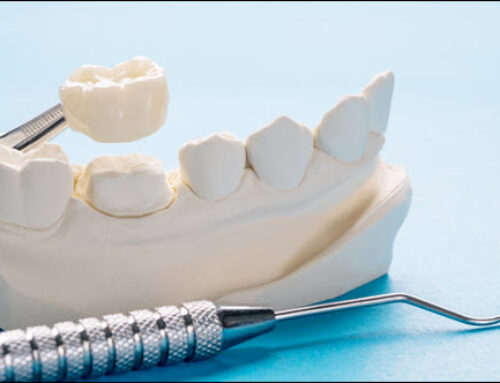
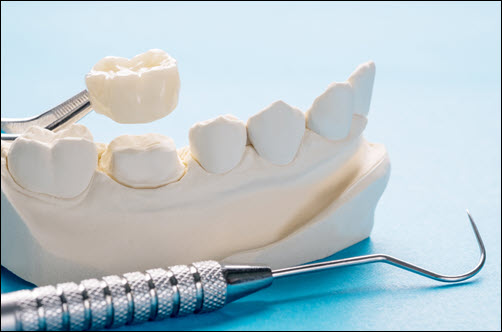
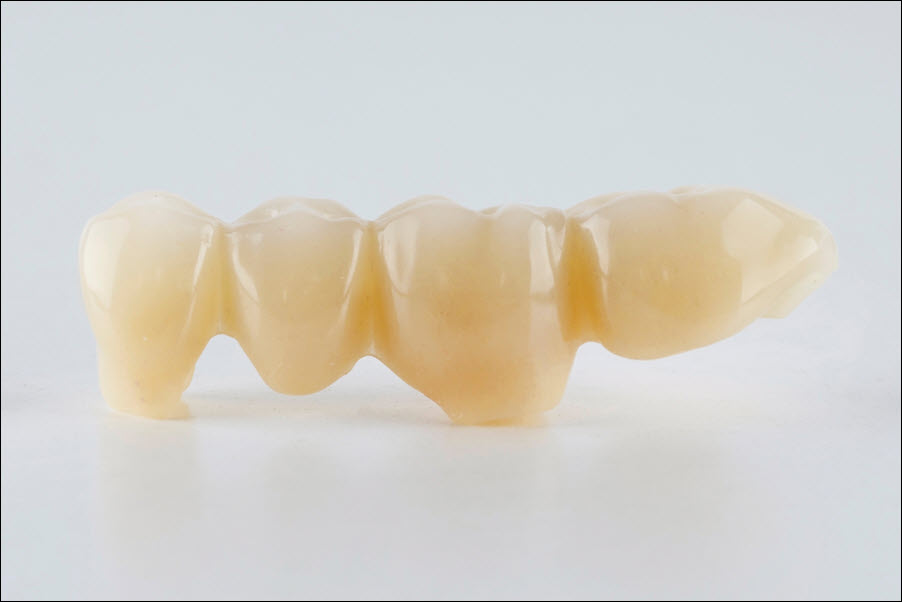
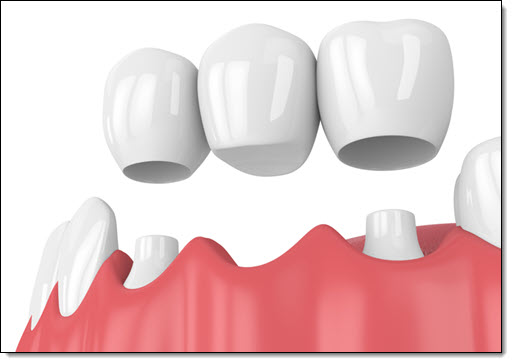
Crowns and bridges cost more than fillings but offer 10–15 years of durability. Their upfront investment pays off with long-term strength and aesthetics. Bridges restore multiple missing teeth but may require additional work if abutment teeth weaken. Patients who maintain excellent oral hygiene maximize the value of these restorations. Crowns and bridges strike a balance between cost and longevity.
Dentures: Lower Cost, Higher Maintenance
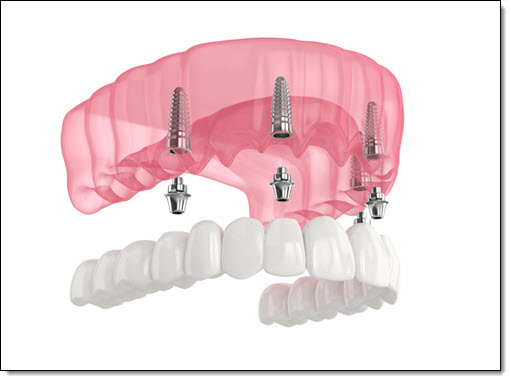 Dentures provide affordability for patients replacing multiple teeth. However, they last only 5–10 years and require adjustments. Long-term, repeated replacements increase overall cost. Implant-supported dentures last longer but come with higher initial expense. Patients should consider whether short-term affordability outweighs repeated maintenance costs.
Implants: High Cost, Long-Term Value
Implants require significant investment, but they often last a lifetime. The titanium post integrates with bone permanently, while crowns may need replacement every 10–15 years. For patients seeking durability, implants provide the greatest value. Their ability to preserve bone and function also reduces future dental costs.
Cost and longevity must be weighed carefully. While fillings and dentures are affordable initially, crowns, bridges, and implants provide longer-lasting results. Patients who invest wisely enjoy strong, healthy smiles with fewer replacements over time.