Injured teeth can happen suddenly—from sports, accidents, or everyday habits. Quick action and smart prevention reduce pain, limit damage, and improve outcomes. Use these tips to prevent tooth injuries and treat them effectively if they occur.
Common Causes of Tooth Injuries
Teeth often get injured during contact sports, falls, or car accidents. Hard foods like ice or unpopped popcorn kernels can chip enamel. Teeth grinding (bruxism) weakens structure over time, making fractures more likely.
Poor-fitting restorations or large fillings can also increase fracture risk. Identifying your risk factors helps you take the right preventive steps.
Prevent Tooth Injuries with Smart Habits
 Wear a mouthguard during sports. A custom guard offers the best protection and comfort. If you grind your teeth at night, use a dentist-made night guard to reduce pressure and wear.
Avoid chewing ice, pens, or hard candies. Use scissors or tools instead of your teeth to open packages. Keep up with regular dental visits so your dentist can spot weak areas early.
Maintain strong enamel with daily brushing, flossing, and a balanced diet. Limit acidic and sugary foods that weaken teeth.
What to Do for Common Dental Injuries
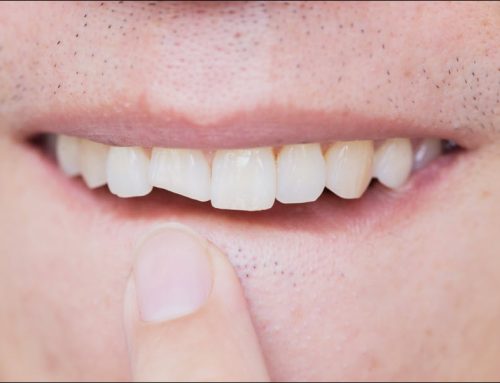
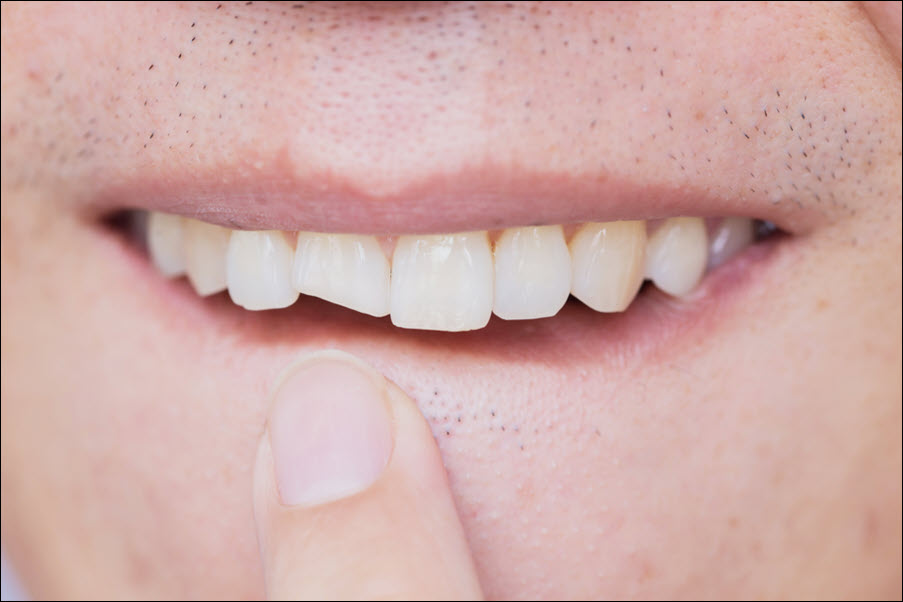
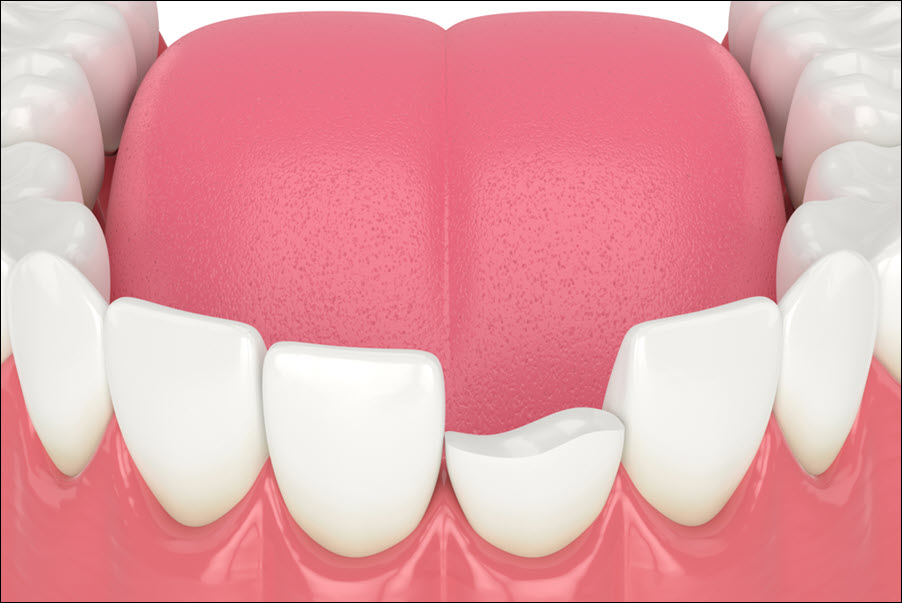
Act quickly if a tooth gets injured. For a chipped or broken tooth, rinse your mouth with warm water and save any fragments. Apply a cold compress to reduce swelling.
For a knocked-out tooth, hold it by the crown, not the root. Rinse gently if dirty. Try to place it back in the socket if possible. If not, store it in milk and see a dentist within 30–60 minutes.
For toothaches after trauma, use over-the-counter pain relief and avoid chewing on that side. Seek dental care promptly to assess damage.
Treatment Options to Restore Injured Teeth
Dentists use several treatments depending on the injury. Minor chips often require dental bonding to restore shape and appearance. Larger fractures may need crowns to protect and strengthen the tooth.
If the inner pulp becomes damaged, a root canal may be necessary to remove infection and save the tooth. In severe cases where the tooth cannot be saved, dental implants or bridges provide long-term replacement options.
Early treatment improves results and reduces the need for more complex procedures.
When to Seek Emergency Dental Care
Do not delay care for severe pain, bleeding, or swelling. These symptoms can indicate serious damage or infection. Immediate attention increases the chance of saving the tooth and prevents complications.
Protect Your Smile Every Day
Preventing and treating injured teeth starts with awareness and preparation. With protective gear, smart habits, and quick action, you can reduce risks and handle emergencies with confidence. Regular dental care keeps your teeth strong and ready for whatever comes your way.